Author Archives: Jeanne L. D. Osnas

Closing out the International Year of Pulses with Wishes for Whirled Peas (and a tour of edible legume diversity)

The United Nations declared 2016 the International Year of Pulses. What’s a pulse? It’s the dry mature seed of a large number of species in the legume family (Fabaceae): various beans, peas, soybean, chickpeas, lentils, peanuts and other groundnuts. 2016 is days from ending, so it’s high time I get up the Fabaceae diversity post I’ve been meaning to write all year long. This rounds out our year of legume coverage, which included Katherine’s posts on bean anatomy, peanuts, and green beans. 
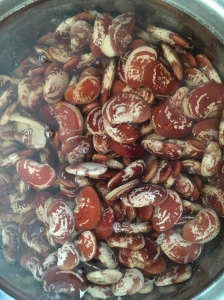
thumb_2016-06-17-10-06-32_1024

Christmas Lima beans (Phaseolus lunatus), soaking before cooking

One out of every 15 flowering plant (angiosperm) species is a legume, a member of the large plant family Fabaceae (Christenhusz and Byng 2016, LPWG 2013). Boasting around 19,500 species in 750-ish genera (LPWG 2013), the Fabaceae is the third-largest plant family in the world, trailing behind only the orchid (Orchidaceae: 27,800 species) and aster (Asteraceae: 25,040 species) families (Stevens 2016). By my count, people only use about 1% of legume species for food (my list of edible legume species is found here), but that small fraction of species is mighty. People eat and grow legumes because they are nutritional superstars, can be found in almost all terrestrial ecosystems around the world, and uniquely contribute to soil fertility in both wild and agricultural ecosystems. Continue reading →

Botany Lab of the Month, Easter edition

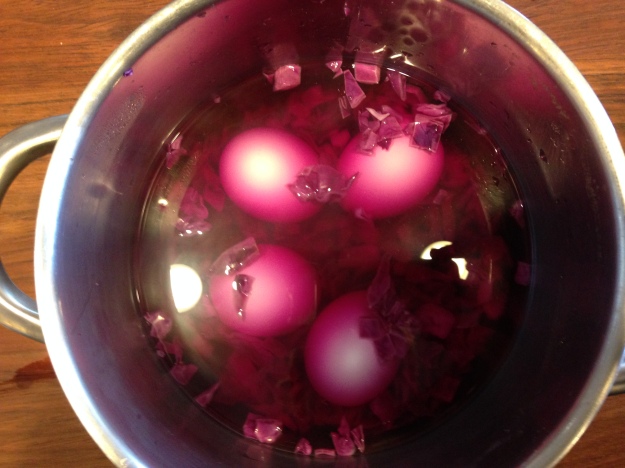
Dying Easter eggs with homemade vegetable dyes today made for some superb kitchen botany. Making the dyes is easy, fun, and offers insight into the fascinating evolution of plant pigments.

2016-03-26 11.58.08

Pigments serve a variety of roles in plants. Many pigments protect plant tissues from sunburn and pathogens and herbivores or perform other physiological functions (see review by Koes et al. 2005). Most noticeably, however, their brilliant colors attract animal pollinators to flowers and seed dispersers to fruit. Humans are also interested in plant pigments, which color and sometimes flavor our food, are potentially medicinally active, and have been used as natural dyes and paints for millennia. Continue reading →

Winter mint

This is our second of our two contributions to Advent Botany 2015. All the essays are great!

An early image of candy canes. From Wikipedia

An early image of candy canes. From Wikipedia

The candy cane, that red- and white-striped hard candy imbued with peppermint oil, is a signature confection of the winter holidays. Peppermint has a long history of cultivation and both medicinal and culinary use. Infusions of the plant or its extract have been used for so many hundreds of years throughout Europe, North Africa and Western Asia that the early history of peppermint candies, including cane-shaped ones, is murky. Fortunately, the biology behind peppermint’s famous aroma is better known than the story of how it came to be a Christmas staple. Continue reading →

How giant pumpkins got so big: A Q&A with Jessica Savage

Biologist Jessica Savage answers a few of our questions about her research on the physiology behind giant pumpkin size.

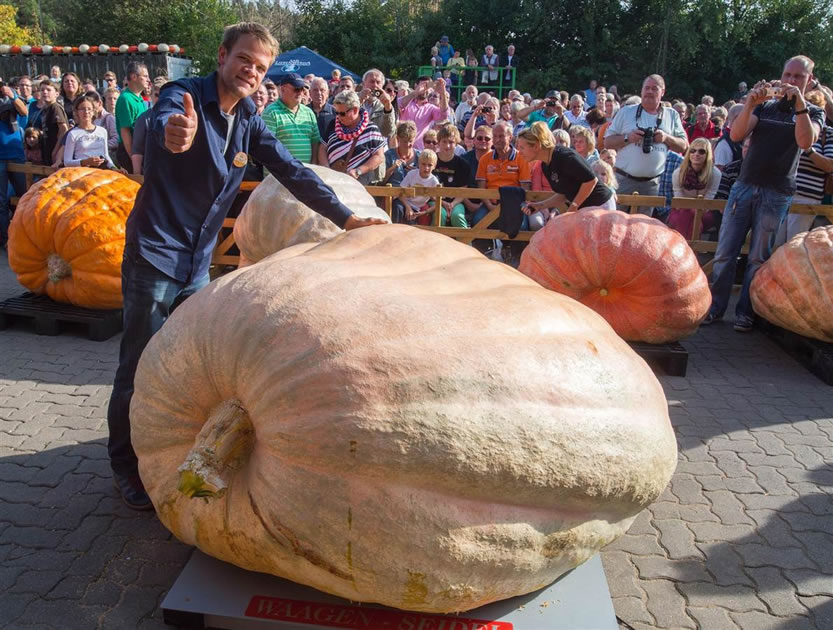
In October 2014, a giant pumpkin grown by Beni Meier of Switzerland tipped the scales at 1056 kilograms (2323 pounds) and set a new world record for the heaviest pumpkin ever weighed. Modern competitive pumpkin growers have been imposing very strong selection on pumpkin size for decades. Pumpkin fruit size keeps climbing, and old records are broken every year or two (Savage et al. 2015).

Beni Meier with his 2014 record-winning 2323-pound pumpkin, presumably a specimen of the Atlantic Giant variety of Cucurbita maxima. Photo from here.

Continue reading →

Taking advantage of convergent terpene evolution in the kitchen

The Cooks Illustrated recipe masters recently added nutmeg and orange zest to a pepper-crusted steak to replace two flavorful terpenes, pinene and limonene, lost from black pepper when simmered in oil. In doing so they take advantage of convergent evolution of terpenoids, the most diverse group of chemical products produced by plants. Nutmeg and orange zest, though, were hardly their only options.

The terpene swap

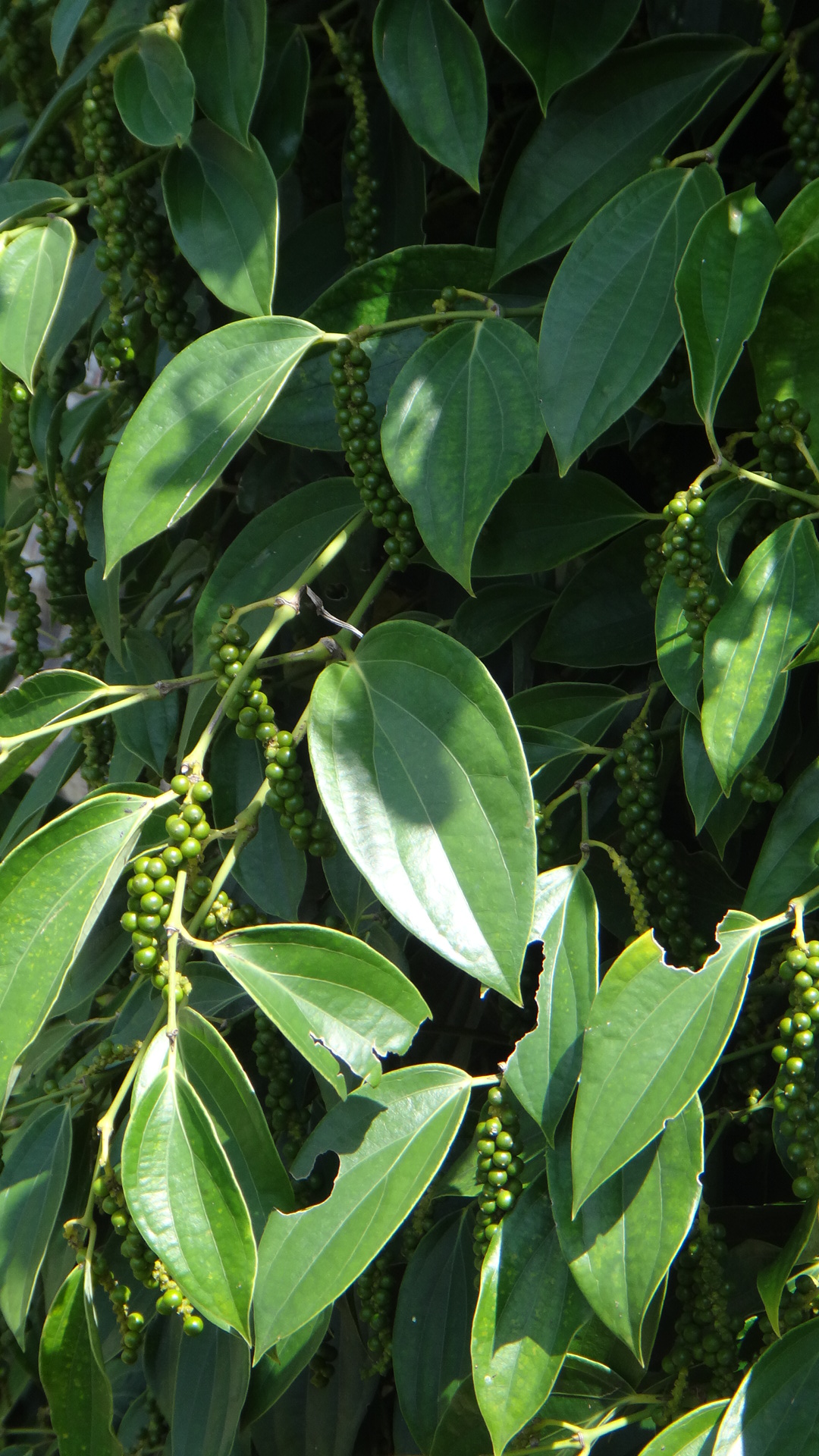
Black pepper (Piper nigrum) growing in Cambodia (photo by L. Osnas)

Black pepper growing (photo by L. Osnas)

To develop satisfying crunch, the Cooks Illustrated recipe for pepper-crusted beef tenderloin requires a prodigious quantity of coarsely ground black pepper (Piper nigrum; family Piperaceae). If applied to the meat raw, however, in the recipe authors’ view, this heap of pepper generates an unwelcome amount of spicy heat. To mellow it, the recipe authors recommend simmering the pepper in oil and straining it out of the oil before adding it to the dry rub. The hot oil draws out the alkaloid piperine, which makes black pepper taste hot, from the cracked black pepper fruits (peppercorns).

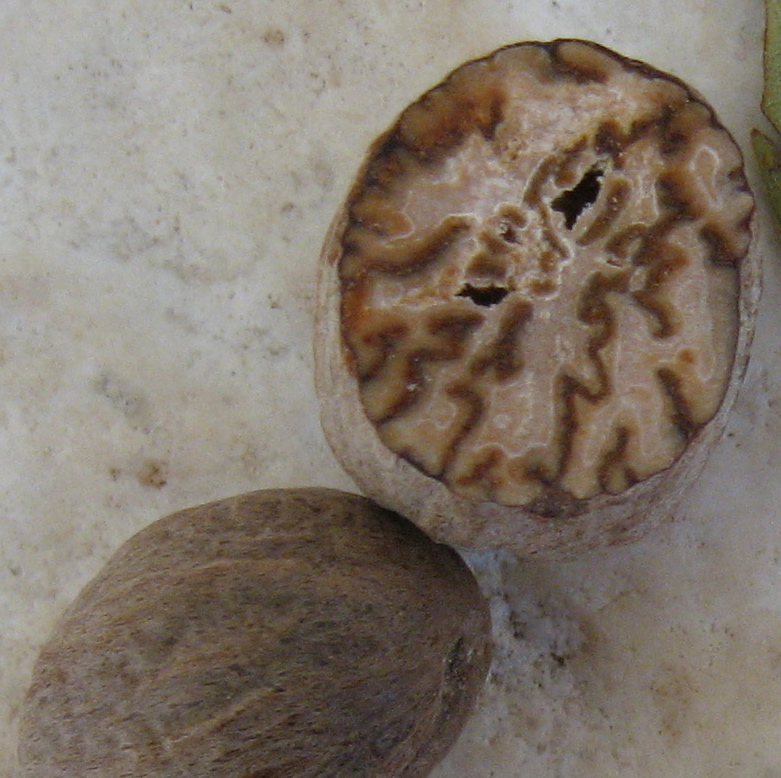
Nutmeg seed showing brown seed coat folded within the ruminate endosperm

Nutmeg seed

To their dismay, however, the recipe authors discovered that the hot oil also removes flavorful compounds from the cracked pepper, in particular the terpenes pinene and limonene. To rectify this flavor problem, the recipe authors added pinene-rich nutmeg (Myristica fragrans; Myristicaceae) and limonene-rich orange (Citrus x sinensis; Rutaceae) zest to the dry rub, along with the simmered black pepper. In doing so they take advantage of widespread and diverse array of terpenoids in the plant kingdom. Continue reading →

Rapunzel

220px-0_Campanula_rapunculus_-_Yvoire

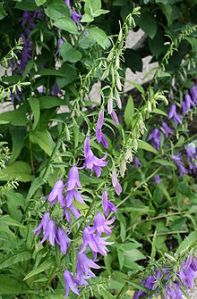
A close relative of The rapunzel plant (Campanula rapunuloides). Photo from Wikipedia.

I never suspected that I’d learn something about edible botany by indulging my 3-year-old’s princess obsession, but I have. According to the Brothers Grimm, Princess Rapunzel is named after the cultivated  vegetable of the same name, growing in a witch’s garden. The wording of the story suggested to me that the Grimms’ contemporaries would be familiar with the plant as a vegetable, that it wasn’t a fantastical invented thing. Apparently rapunzel was a popular vegetable in the Grimm’s Europe.

Formally the rapunzel plant is Campanula rapunculus, native from southwestern Asia through central Europe to North Africa. The genus Campanula contains upwards of 500 species of what are commonly called bluebells, bellflowers, or harebells, widely distributed throughout the northern hemisphere. Many if not most of those species have edible flowers, leaves and roots (see links here, here, here and here). The Brothers Grimm don’t specify which parts of the plant were particularly enticing to Princess Rapunzel’s mother.

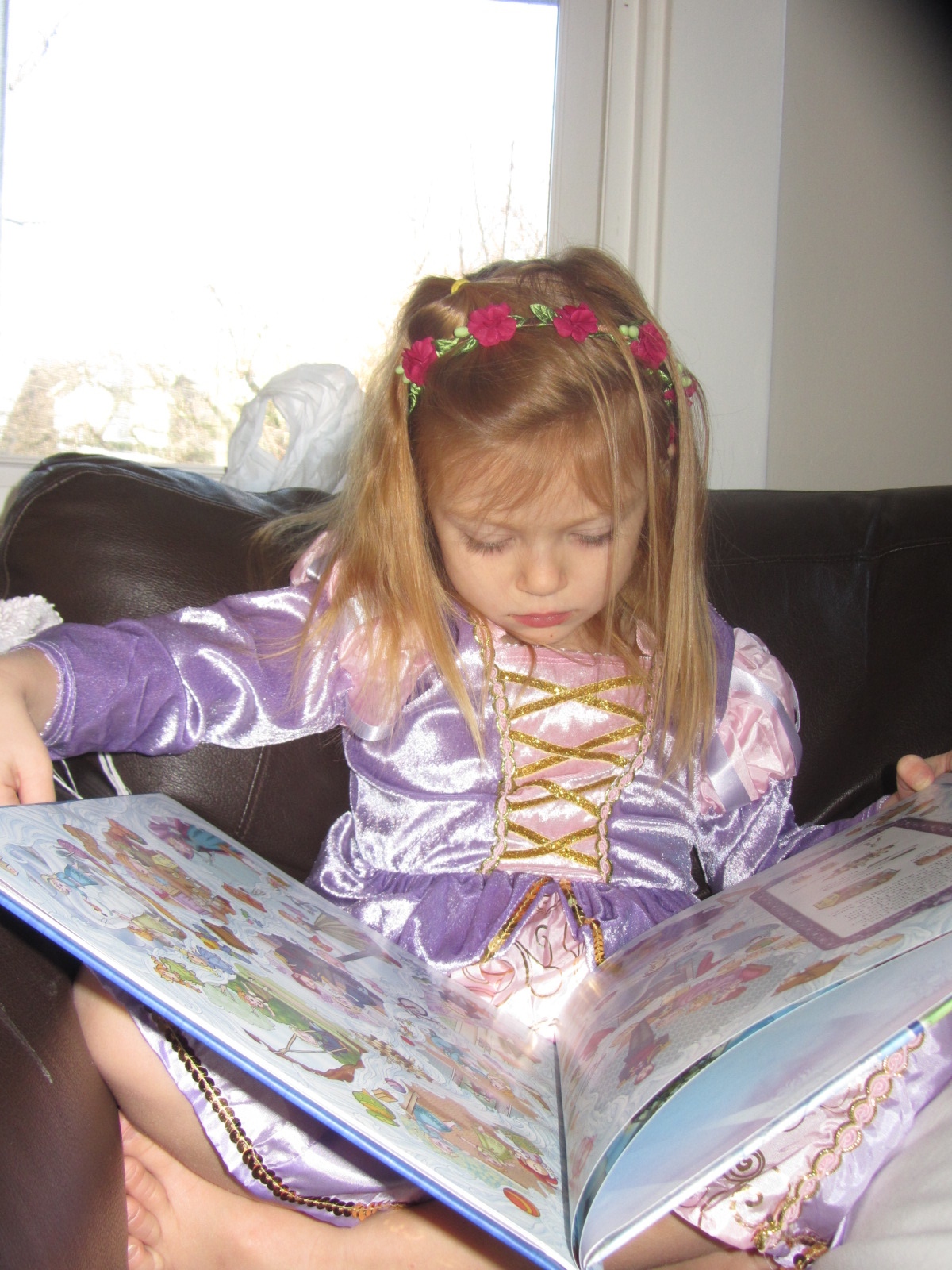
Our princess, in the Tangled-inspired dress from Santa

Our princess, in the Tangled-inspired dress from Santa

Many species in the closesly-related genus Adenophora also have edible roots, leaves and flowers. These genera add a taxonomic family, Campanulaceae, to our list of taxa with culinary species. Campanulaceae joins the sunflower family (Asteraceae) as culinary families in the order Asterales. Rapunzel seeds are for sale, and it can grow in Anchorage, where we will be moving this spring. My little Rapunzel will have to beat the moose to it in the garden next summer. It’s so interesting to me that this was once considered a common, mainstream cultivated vegetable, but now it’s considered a fringe edible plant or something to be “wildharvested.” It’s fun to learn about plants that were once widely cultivated for food but have since fallen out of fashion. Wonder why that is.

Alliums, Brimstone Tart, and the raison d’etre of spices

If it smells like onion or garlic, it’s in the genus Allium, and it smells that way because of an ancient arms race. Those alliaceous aromas have a lot of sulfur in them, like their counterparts in the crucifers. You can combine them into a Brimstone Tart, if you can get past the tears.

The alliums

DSC09511

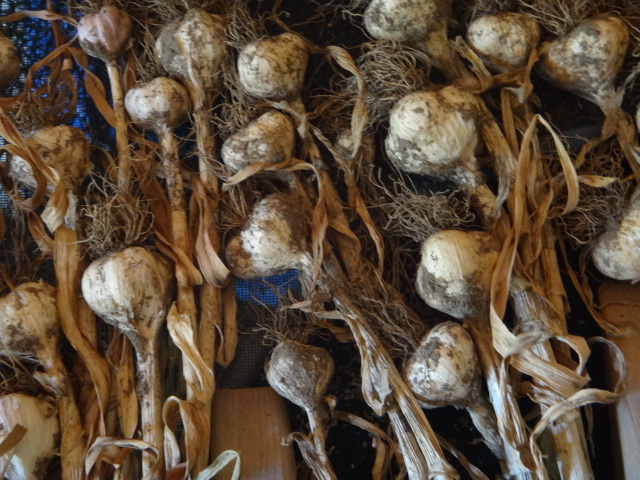
garlic curing

The genus Allium is one of the largest genera on the planet, boasting (probably) over 800 species (Friesen et al. 2006, Hirschegger et al. 2009, Mashayehki and Columbus 2014), with most species clustered around central Asia or western North America. Like all of the very speciose genera, Allium includes tremendous variation and internal evolutionary diversification within the genus, and 15 monophyletic (derived from a single common ancestor) subgenera within Allium are currently recognized (Friesen et al. 2006). Only a few have commonly cultivated (or wildharvested by me) species, however, shown on the phylogeny below. Continue reading →

The Extreme Monocots

Coconut palms grow some of the biggest seeds on the planet (coconuts), and the tiny black specks in very good real vanilla ice cream are clumps of some of the smallest, seeds from the fruit of the vanilla orchid (the vanilla “bean”). Both palms and orchids are in the large clade of plants called monocots. About a sixth of flowering plant species are monocots, and among them are several noteworthy botanical record-holders and important food plants, all subject to biological factors pushing the size of their seeds to the extremes. Continue reading →

A biologist eating for two

This is a bit tangential to our usual fare, but I think it’s fun, and you may as well. A friend of mine, Cara Bertron, edits the creative and delightful quarterly compendium Pocket Guide. I submitted this image, entitled “A biologist eating for two,” for the current issue, which is themed “secret recipes.” It’s a cladogram of the phylogenetic relationships among all the (multicellular) organisms I (knowingly) ate when I was pregnant with my now two-year-old daughter. Continue reading →

Going bananas

What can make me feel less guilty about buying bananas? Science.

DSC08488

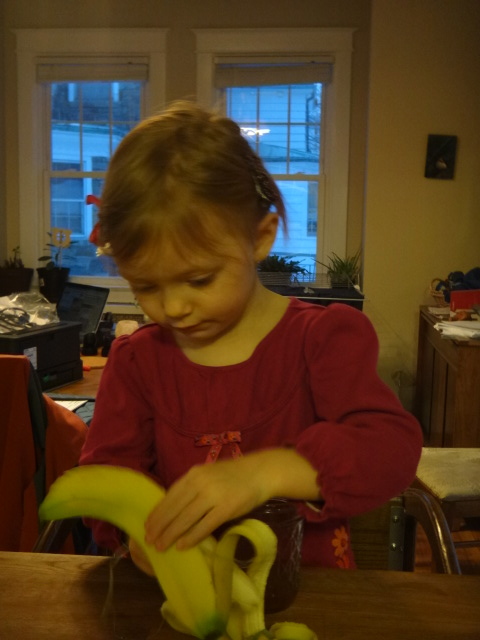
Trying to get the banana back in the peel

I am genuinely curious about the size of the fraction of carbon in my two-year-old that is derived from bananas. When we have bananas in the house, which is most of the time, she eats at least part of one every day. She loves them peeled, in smoothies, dried, in banana bread, or in these banana-rich cookies, which sound like they shouldn’t be good but are totally amazing. Bananas are inexpensive and delicious, and making nutritious food with them gives me a sense of parental accomplishment. Nonetheless, always I feel a niggling sense of guilt whenever I plunk a bunch of bananas into the shopping cart. Prosaic though it may be, most of this is contrition inspired by the “local food” movement. I know that very little is benign about the process responsible for bringing these highly perishable tropical fruits to my table for less than a dollar a pound. The remainder of my remorse is conviction that bananas should not be taken for granted. Not only is banana history and biology interesting, but the banana variety in our grocery stores, the Cavendish, is in danger of commercial extinction. There isn’t an easy solution to the problem or an obvious candidate for a replacement variety. The history of the Cavendish’s rise, and the biology behind its current peril, makes for a good story. Continue reading →