Tag Archives: Thanksgiving

Gather and Sow: November 2026

The November 2026 issue of our Gather and Sow newsletter is out, just in time for Plantsgiving.

***Note for educators: There is a G-rated version of this newsletter from which we have omitted mention of alcoholic beverages and salacious details about ancient Egyptians’ beliefs about lettuce.***
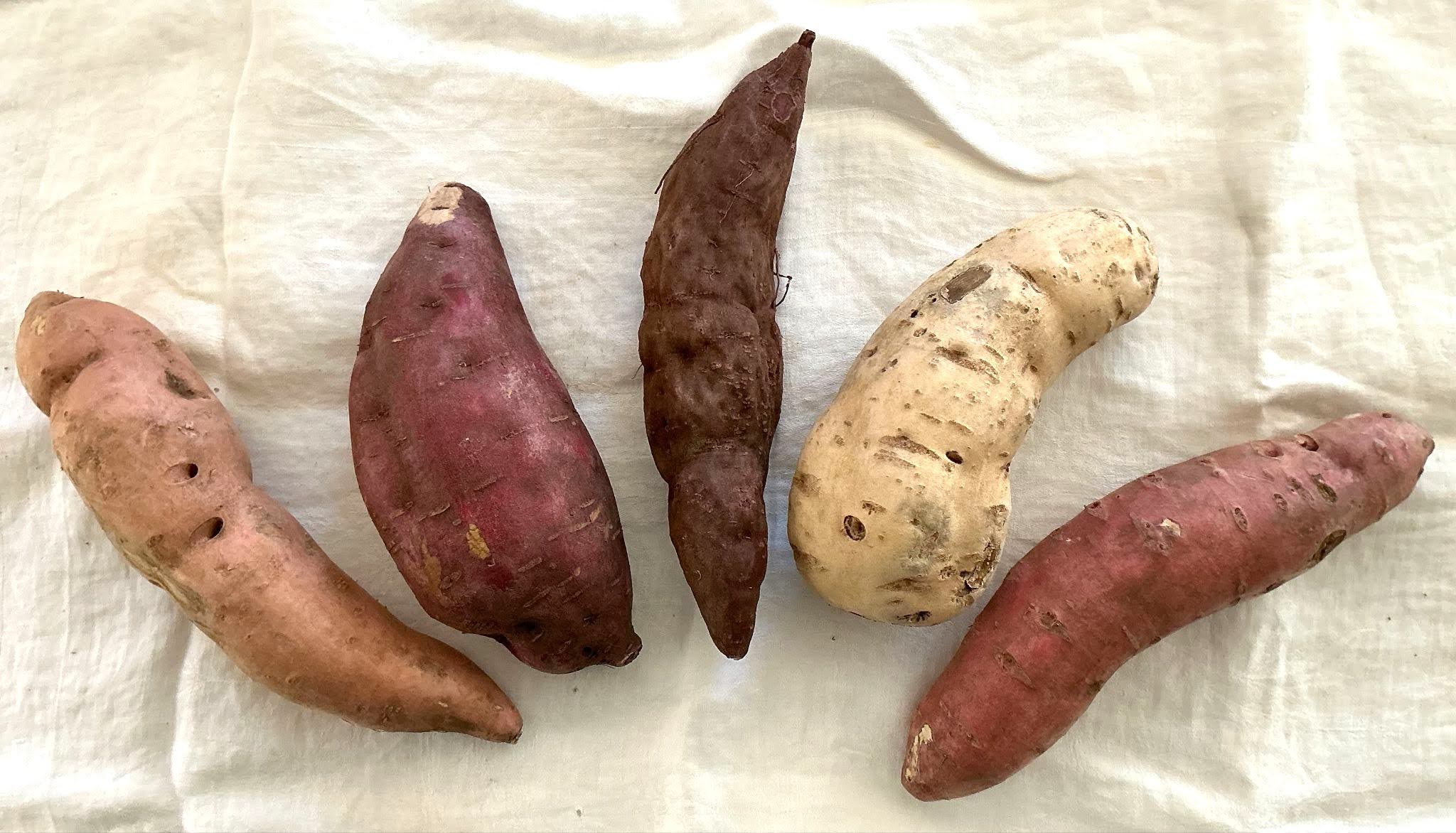
The fourth Thursday in November is, of course, Plantsgiving, a day anticipated for weeks by botanists all across America. That’s when we transform a national day of gluttony into a challenge: put as many botanical ingredients on the table as possible. The winner is the host with the most taxonomically diverse menu (which almost always kicks off with a gin and tonic, netting a couple dozen plants right there).

We love a big branchy phylogenetic tree, but shouldn’t an appealing array of colors and structures count towards diversity, too? We would like to propose that this year’s Plantsgiving contest use a composite metric that accounts for pigments and plant parts. By that measure, you wouldn’t have to mail order obscure spices to compete. Vegetables as common as potatoes and sweet potatoes–stalwarts of the modern holiday menu–could earn you a lot of points if you took advantage of their anthocyanins and carotenoids. And given their importance to diets around the world, we believe that these humble tubers are especially deserving of our gratitude this time of year.

In this month’s Food for Thought we clarify the taxonomic identities of potatoes, sweet potatoes, and yams, and we say a few things about their marvelous colors. We also talk about the tubers that were actually present at the first Thanksgiving. Spoiler: not yams, sweet potatoes, or potatoes. Then, in Botany Lab of the Month, we take a close look at the morphology of potatoes and sweet potatoes. We conclude, as always, with a roundup of recent relevant media and journal articles in Gleanings and Baker’s Dozen. This newsletter will leave you empowered to amass tuber-related Plantsgiving points and transform dinner into a pedagogical opportunity if talk of politics threatens to ruin the meal.

#Celery

It’s hard to get too excited about eating celery, but if you can manage to see a dip-drenched celery stick as a dynamically loaded cantilevered beam, then its stringy bits suddenly start to look like incredible feats of bioengineering. The mildest mannered member of the crudité platter turns out to be a misunderstood superhero.

If you are about to celebrate Thanksgiving, chances are good that you have a lot of celery in your immediate future. It shows up in dressing and cranberry relish and especially in leftovers, like turkey salad sandwiches. When I was growing up, my sister and I were tasked with picking the carcass for turkey hash, which, in our family, was basically turkey soup stretched with lots of celery and potatoes and never enough salt. Although frugal and nutritious, this one-pot crusade against food waste did not inspire a lifelong love of cooked celery. But you don’t have to like celery the food to admire its alter ego, celery the plant.

Leaves, not stems

Celery the food may not excite you, but celery the plant – the bundle of dynamically loaded cantilevered beams – is a biomechanical superhero worth exploring in the kitchen. Celery (Apium graveolens) is one of the clearest examples of how a plant’s life in the wild over tens of millions of years yielded anatomical adaptations that determine how we use it now. Because of its evolutionary responses to biomechanical challenges, it is now perfectly built to hold peanut butter or scoop dip, and when sliced, its crescent moon shapes are pretty in soup and chopped salads. On the other hand, its tough strings catch between teeth and are not easy to digest.

Celery stalks are the petioles (“stalks”) of compound leaves. They are not stems, in spite of widespread misrepresentation in elementary school lesson plans. They may look like stems to some people because they are thick and fleshy and have prominent veins running lengthwise through them. But there are several morphological clues to their leafy identity, including these: Continue reading →

Throwback Thursday Thanksgiving feast

We’ve got several posts in the pipeline – and this year we are contributing to Advent Botany – but meanwhile, we bring you posts from the past to nerd-up your kitchen as you cook. Don’t forget, nothing deflects from an awkward personal revelation or a heated political conversation like a well-placed observation about plant morphology.

We wish you a happy, healthy Thanksgiving!

Continue reading →